Understanding Lehenga Types and Occasions
Lehengas are one of the most versatile pieces in South Asian fashion, but buying them online requires understanding the distinctions between styles and their intended occasions. The three primary categories—bridal, party, and light/casual—serve vastly different purposes and come with different quality expectations and price points.
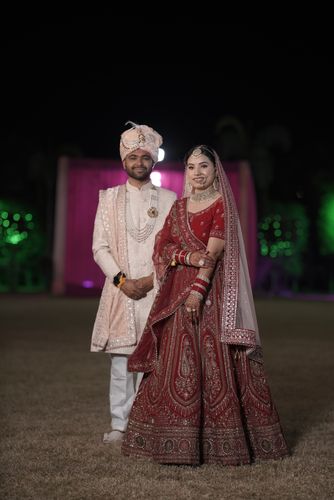
Bridal lehengas are statement pieces designed for high-visibility occasions. These are typically heavy, embellished garments with intricate embroidery, zari work, or appliqué. They feature full, voluminous skirts designed to photograph well and make an impact. Bridal lehengas usually include a matching blouse and dupatta, with construction that prioritizes durability and wearability across multiple events.
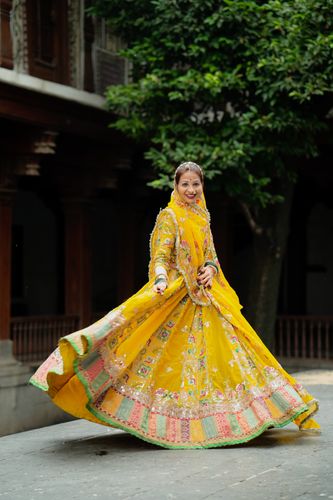
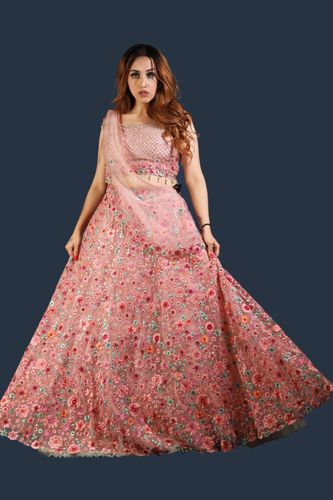
Party lehengas occupy the middle ground. They’re considerably lighter than bridal wear but more formal than casual pieces. These work for cocktail events, receptions, anniversaries, and festive dinners. Party lehengas feature moderate embellishment—perhaps border work, scattered embroidery, or contrasting accents—but avoid the overwhelming heaviness of bridal counterparts.
Light and casual lehengas are designed for everyday wear, religious occasions, and informal celebrations. These feature minimal embellishment, breathable fabrics, and comfortable fits. They’re perfect for festivals, family gatherings, and casual ethnic wear.
Fabric Selection: What Actually Matters
The fabric you select determines comfort, durability, appearance, and maintenance requirements. When buying online, you cannot feel the material, so understanding fabric characteristics becomes essential.
Silk and silk blends are the gold standard for lehengas. Pure silk provides natural sheen, breathability, and drapes beautifully. However, genuine silk comes with a premium price tag. Silk blends—combining silk with cotton, polyester, or linen—offer reduced costs while maintaining much of silk’s visual appeal and comfort. Look for descriptions specifying “80% silk, 20% cotton” to gauge actual composition.
Cotton and cotton blends dominate casual and light party lehengas. Pure cotton breathes exceptionally well and offers comfort for extended wear, but requires careful laundering. Cotton-polyester blends maintain cotton’s comfort while improving durability and reducing wrinkles. A 60-40 cotton-polyester ratio provides good balance.
Velvet and brocade create richness and texture for party and bridal lehengas. These heavier fabrics require careful handling and are typically dry-cleaned. They photograph beautifully and feel luxurious, but offer less comfort for extended wear due to their weight.
Chiffon and georgette work well for dupatta material and lighter lehenga skirts. These semi-transparent, flowy fabrics allow movement and breathability. They’re ideal for summer occasions and require delicate handling.
Dupion and cotton-silk blends provide texture and movement without the weight of traditional silk. These suit contemporary lehenga styles that blend traditional and modern elements.
Quality Fabric Indicators
When reviewing online listings, specific language indicates quality:
| Quality Marker | What It Means | Price Impact |
|---|---|---|
| ”Pure silk” | 100% silk content | Higher ($300+) |
| “Silk blend” | 70-90% silk mixed fiber | Medium ($180-300) |
| “Chanderi silk” | Handwoven Indian silk from Madhya Pradesh | Premium ($240+) |
| “Art silk” | Polyester mimicking silk appearance | Lower ($36-100) |
| “Handwoven” | Labor-intensive traditional weaving | Premium pricing |
| ”Naturally dyed” | Plant-based dyes instead of chemical | Premium ($220+) |
Sizing and Fit: The Online Shopping Challenge
Lehenga sizing differs significantly from western clothing and varies considerably between makers. This is where most online purchasing fails.
Traditional sizing uses small-medium-large or specific measurements like “bust 36, waist 32, hip 42” (in inches). However, lehengas feature below-waist construction, so standard dress sizing doesn’t apply directly. The crucial measurements are:
- Bust/chest (at fullest point)
- Waist (for blouse fitting)
- Hip (for skirt fitting)
- Blouse length (shoulder to waist)
- Lehenga length (waist to ankle or floor)
Reputable sellers provide detailed measurements in both inches and centimeters for each size variant. Review these thoroughly against your own measurements. If measurements aren’t provided, contact the seller—legitimate merchants provide this information readily.
Customization options are your safety net when buying online. Many sellers offer made-to-measure lehengas, which typically add 2-4 weeks to delivery but eliminate fitting risks. This service usually costs $24-60 additional but is worthwhile if you’re purchasing an expensive piece.
Return policies matter enormously for online lehenga purchases. Verify that merchants accept returns for fit issues and offer full refunds or exchanges. Never purchase from sellers with no return window.
Embellishment Quality: Distinguishing Genuine from Gimmicky
Embellishment quality separates excellent lehengas from mediocre ones.
Hand embroidery (including zardozi, gota patti, and traditional techniques) represents the highest quality tier. Stitching is visible, each piece slightly varies, and the work is irreplaceable. This commands premium pricing ($250+) but offers unmatched longevity and visual impact.
Machine embroidery provides consistent, precise patterns. While less labor-intensive than hand work, quality machine embroidery remains intricate and durable. This represents mid-range pricing ($120-250).
Printed embellishment (embroidery printed onto fabric) is the budget option. While visually appealing initially, printed work fades with washing and lacks dimensional appeal. These typically fall below $100.
Quality indicators for embellishment:
- Threads should be firmly anchored with no loose ends or pulling
- Embroidery should not create stiffness that prevents fabric movement
- Heavy embellishment should feature reinforcement underneath to prevent pulling
- Beads, stones, and metalwork should be securely fastened (test by gentle pulling in photos if available)
- Color bleeding should be absent—check if embellishment thread color transfers to base fabric
Price Ranges and Value Assessment
Understanding lehenga pricing helps you identify genuine value versus false economy.
| Category | Price Range | Typical Features | Where to Buy |
|---|---|---|---|
| Budget Casual | $30-60 | Art silk, printed embroidery, basic construction | General online retailers |
| Mid-Range Party | $100-180 | Silk blends, machine embroidery, moderate quality tailoring | Brand websites, established ethnic wear retailers |
| Premium Party | $180-360 | Real silk, quality embroidery, superior construction | Designer boutiques, specialty ethnic retailers |
| Bridal/Statement | $360-900+ | Pure silk, hand embroidery, custom tailoring available | Designer brands, made-to-order specialists |
Value indicators: A $120 lehenga should feature silk content (not pure art silk), quality embroidery you can observe in photos, reinforced seams, and a return policy. If it’s significantly cheaper, scrutinize fabric and construction claims.
Color Selection and Photography
Online color representation is notoriously unreliable. What appears burgundy on your screen may be deep red in person.
Solid colors (deep reds, golds, navy, forest green) photograph most accurately. Avoid expecting exact color matches with online images.
Metallic tones (golds, silvers, coppers) appear more vibrant in photos than in reality due to screen brightness.
Pastels and light colors often appear more saturated online than in person.
Pattern-heavy lehengas are safer for color accuracy since patterns provide context. A lehenga with small gold motifs on cream will be cream regardless of screen calibration.
Solution: Purchase from sellers offering detailed color descriptions (“Old Rose,” “Champagne,” “Forest Green”) rather than simply “red” or “gold.” Review customer photos extensively—these often show true colors better than professional shots.
Practical Purchasing Strategy
- Identify occasion and season first—this determines fabric appropriately
- Set realistic budget based on quality expectations and durability needs
- Research fabric composition thoroughly—read descriptions multiple times for fiber content
- Verify detailed measurements against your own; custom-fit if measurements seem off
- Review return policies before committing to purchase
- Check seller ratings and customer photos specifically looking for color accuracy and construction quality
- Contact sellers with questions about fabric care, embellishment durability, and sizing specifics
- Photograph or screenshot product details and seller messages for reference
Care and Longevity
Even the finest lehenga deteriorates quickly with improper care. Budget lehengas especially require thoughtful maintenance.
Professional dry cleaning is essential for embellished and silk lehengas. Chemical dry cleaning removes oils from fabrics but prevents water damage to embellishment. Plan for $6-18 per cleaning.
Hand washing works for casual cotton lehengas. Use mild detergent, cool water, and gentle agitation. Air-dry completely before storing.
Storage should involve breathable cotton garment bags, never plastic. Keep away from direct sunlight to prevent color fading. Use cedar blocks or neem leaves to prevent insect damage.
Seasonal storage requires annual inspection. Check for any stains that set or embellishment that loosened during the off-season.
A $60 lehenga with annual professional care might last 3-4 years of regular wear. A $360 piece with proper maintenance can serve for 8-10+ years.
Finding Your Perfect Lehenga Online
The key to successful online lehenga shopping is matching expectations to category, understanding quality markers, and prioritizing sellers with transparent sizing and reasonable return policies. Whether you’re seeking a statement bridal piece or a casual festival wear, the structure remains the same: clear communication, detailed measurements, and realistic expectations about online color representation.
Browse quality options on marketplaces like PurvX for global selections and India-specific lehenga collections with verified sizing and authentic reviews.