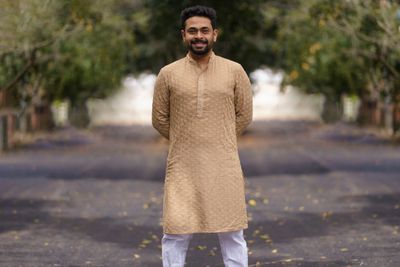
Understanding Kurta Pajama Categories
The kurta pajama represents the most versatile piece of South Asian men’s wear, suitable for everything from casual weekend wear to semi-formal celebrations. However, not all kurta pajamas serve the same purpose. Understanding these categories guides appropriate purchases.
Casual kurta pajamas emphasize comfort and everyday wearability. These feature simple construction, breathable fabrics, minimal embellishment, and relaxed fits. Casual kurtas work for home wear, informal family gatherings, and casual outings. These prioritize comfort over visual statement.
Festive and party kurta pajamas balance formal appearance with practicality. These feature moderate embroidery or embellishment, quality fabrics, and tailored fits that enhance appearance without requiring extensive formal events. Party kurtas suit celebrations, family functions, and semi-formal occasions.
Formal and wedding kurta pajamas serve high-visibility occasions. These feature extensive embroidery, premium fabrics, and structured tailoring creating impressive formal presence. Wedding kurtas represent investment pieces worn for significant life events.
Contemporary and fusion kurta pajamas blend traditional construction with modern aesthetics. These feature unconventional colors, contemporary cuts, and minimal traditional embellishment. Fusion styles appeal to wearers seeking traditional silhouettes with contemporary sensibilities.
Fabric Selection: Balancing Comfort and Formality
Kurta pajama fabrics must balance breathability, appearance, durability, and ease of care. Understanding fabric characteristics prevents disappointment with online purchases.
Cotton and Cotton Blends
Pure cotton remains the most popular kurta pajama fabric. Cotton breathes exceptionally well, feels soft against skin, and simplifies care. 100% cotton wrinkles more readily than blends but offers superior comfort for extended wear.
Cotton-polyester blends (typically 60% cotton, 40% polyester) reduce wrinkles while maintaining cotton’s breathability. These are the practical choice for everyday wear.
Linen-cotton blends create structured appearance and natural texture. These work beautifully for casual and summer kurtas but require more careful laundering.
Silk and Silk-Based Fabrics
Pure silk creates lustrous appearance and exceptional drape. Silk kurtas are appropriate for formal occasions and celebrations. However, silk requires professional dry cleaning and careful maintenance.
Silk blends (70-80% silk with polyester) reduce costs while maintaining silk’s visual appeal. These offer durability and practicality without pure silk’s care requirements.
Tussar silk features natural, slightly coarse texture with warm, earthy tones. Tussar kurtas drape beautifully and photograph well, making them popular for festive occasions.
Specialized Fabrics
Linen creates structured, textured appearance with natural wrinkle that looks intentional. Linen kurtas suit summer wear and casual occasions.
Chanderi (silk-cotton blend from traditional Indian weaving) combines breathability with subtle elegance. These semi-transparent fabrics allow air flow while creating sophisticated appearance.
Jacquard features woven patterns rather than embroidered designs. Jacquard kurtas offer visual interest without embellishment, suitable for contemporary styles.
Fabric Quality Indicators
| Fabric Type | Best For | Wrinkle Resistance | Care | Price Range |
|---|---|---|---|---|
| 100% Cotton | Casual, everyday | Low | Easy (hand or machine wash) | $18-48 |
| Cotton-Polyester (60-40) | Everyday, office | Good | Easy (machine wash) | $24-60 |
| Linen-Cotton | Summer, casual | Medium | Moderate (gentle wash) | $30-72 |
| Cotton-Silk (50-50) | Party, festive | Good | Moderate (dry clean recommended) | $48-120 |
| Silk Blends (70%+) | Formal, celebrations | Good | Professional care | $100-240 |
| Pure Silk | Wedding, formal | Good | Professional care | $145-360+ |
Collar Styles: Functional and Aesthetic
Collar style dramatically affects kurta appearance and practicality. Understanding options ensures you select appropriate styling.
Mandarin/Chinese collar (high, standing collar without notches) creates contemporary, structured appearance. This collar is practical, holds its shape well, and suits modern styling.
Nehru collar (similar to mandarin but slightly more relaxed) represents traditional Indian styling. This classic collar works across all occasions.
V-neck (deep or subtle V opening) creates relaxed, casual appearance. V-necks are practical for warm climates and informal wear.
Open/Shirt collar (traditional shirt-style collar) offers versatility and casualness. These collars can be worn open or buttoned, adapting to occasion.
Asymmetrical collar (irregular or artistic closure) represents contemporary fusion styling. These collars create fashion-forward appearance but limit styling versatility.
Embellished collars (embroidered or detailed collars) add visual interest. These suit party and formal kurtas.
Collar quality indicators:
- Reinforced collar points preventing curling
- Consistent seam spacing showing quality construction
- Collar sits smoothly without puckering
- Embellishment (if present) is securely attached
Length Guide and Sizing
Kurta length affects both proportions and wearability. Understanding length options prevents returns.
Standard length falls mid-thigh (typically 38-42 inches from shoulder). This classic length suits most heights and body types.
Short kurta (32-36 inches) suits shorter individuals or contemporary styling over jeans or trousers.
Long kurta (44-48+ inches) works for taller individuals or creates dressing-up effect over formal wear.
Proportions matter: Kurta length should relate to your inseam (pants measurement). A general rule: kurta length should be approximately 2-3 inches shorter than your pants inseam when worn together.
Online Length Selection
- Measure your inseam (inside pant leg from crotch to ankle)
- Request kurta length information in inches/centimeters
- Account for personal preference: Do you prefer traditional longer styles or contemporary shorter styles?
- For custom fits: Specify desired length when ordering customization
- Verify sleeve length (should reach wrist bone without bunching)
Width and fit: Kurta fit ranges from slim (body-hugging) to straight (loose) to relaxed (very generous). Online descriptions should specify fit type.
Slim-fit kurtas suit contemporary styling and structured fabrics. Straight-fit kurtas represent traditional proportions. Relaxed-fit kurtas provide maximum comfort and work for casual wear.
Pajama Selection and Pairing
The pajama (bottom) you pair with your kurta dramatically affects the overall look.
Churidar Pajamas
Churidars are tapered pants fitted tightly from knee to ankle, bunching at the ankle. These create traditional, formal appearance and work beautifully with structured kurtas for celebrations and formal occasions.
Characteristics:
- Tightly fitted through calf and ankle
- Subtle gathering at ankle
- Traditional, dressy appearance
- Require tailoring for proper fit
Straight Pajamas
Straight pajamas maintain consistent width throughout, with a straight ankle opening. These are the most versatile option, working for casual and semi-formal occasions.
Characteristics:
- Consistent width from knee to ankle
- Simple, practical appearance
- Versatile styling options
- Easier to fit than churidars
Dhoti-Style or Relaxed Pajamas
Relaxed pajamas feature generous width and comfortable fit. These are ideal for casual wear and maximum comfort.
Characteristics:
- Loose, comfortable fit throughout
- Casual, relaxed appearance
- Easy movement and breathability
- Best for home wear and informal occasions
Pairing Strategy
Casual kurtas pair best with straight or relaxed pajamas in solid colors matching the kurta or contrasting subtly.
Party kurtas work with churidars for traditional appearance or tailored straight pajamas for contemporary styling.
Formal kurtas typically require tailored churidars in coordinating or white/cream colors.
Contemporary kurtas allow more mixing: try different pajama styles, colors, and textures.
When ordering online, many sellers offer bundled kurta-pajama sets. These are typically well-coordinated, though you can always order pieces separately for more mixing flexibility.
Embellishment and Detailing
Embellishment level significantly impacts formality and price.
No Embellishment
Plain kurtas offer maximum versatility and simplicity. These suit casual wear and can be easily mixed with various bottoms.
Quality indicators:
- Even weave without visible flaws
- Quality stitching throughout
- Hemming accuracy
- Fabric draping smoothly
Minimal Embellishment
Tonal embroidery (same-color thread on matching fabric) creates subtle texture and visual interest.
Contrast borders (different-color thread or fabric trim along seams and neckline) adds definition.
Small repeating patterns (buttons, minor embroidery spacing) creates modest detail.
These work for semi-casual wear and everyday festive occasions.
Moderate Embellishment
Chest embroidery, collar details, and shoulder work create visually interesting kurtas suitable for celebrations without overwhelming formal wear.
Quality indicators:
- Embellishment securely attached
- Even stitch spacing
- Reinforcement preventing strain
- Color consistency throughout
Heavy Embellishment
Extensive front and back work, full-sleeve embroidery, and elaborate patterns create statement pieces appropriate for weddings and significant occasions.
Quality at this level demands:
- Hand embroidery or high-quality machine work
- Secure beading/stoning (if included)
- Professional-level reinforcement
- Premium fabric supporting elaborate work
Color Selection and Dyeing Quality
Kurta colors range from traditional solid tones to contemporary prints.
Solid colors (cream, white, black, navy, gold, maroon) are versatile and photograph accurately.
Jewel tones (deep blues, emeralds, rubies) photograph beautifully and suit celebrations.
Light colors (pastels, pale blues, soft greens) appear more saturated in online photos than in person.
Prints and patterns (florals, geometric, traditional patterns) offer visual interest but should display consistently across the garment.
Dye quality assessment:
- Color consistency throughout the kurta
- No visible dye streaks or uneven coloring
- Color doesn’t run onto other fabrics (indicated by customer reviews)
- Dye appropriately set (shouldn’t fade rapidly)
For online shopping: Request detailed color descriptions or photos in natural lighting. Some sellers provide color swatches allowing better accuracy.
Price Ranges and Value Assessment
| Category | Price Range | Typical Features | Best For |
|---|---|---|---|
| Budget Casual | $10-24 | Cotton or cotton blends, simple construction, basic quality | Home wear, casual outings |
| Everyday Wear | $24-48 | Cotton-poly blends, quality construction, reasonable durability | Office, family events, casual |
| Party/Festive | $48-120 | Silk blends, embroidery present, quality tailoring | Celebrations, semi-formal events |
| Premium Party | $120-240 | Pure silk or high-quality blends, quality embroidery, excellent construction | Significant celebrations, formal |
| Wedding/Formal | $240-480+ | Premium fabrics, hand embroidery, custom tailoring available | Weddings, major ceremonies |
Value evaluation: A $36 kurta pajama should feature cotton-poly blend (not pure synthetic), quality stitching, and straight-forward design without loose threads. Below $24, expect simpler construction and thinner fabric. Above $120, embroidery quality and fabric premium become essential to justify pricing.
Questions for Online Sellers
Before purchasing, request specific answers:
- Fabric composition: “What is the exact fiber content? Is this 100% cotton or a blend?”
- Fit and sizing: “What’s the precise chest measurement and length for each size? Do you offer customization?”
- Pajama style: “What pajama style is included? Are measurements provided?”
- Embellishment (if present): “What embroidery techniques are used? Is any beading or stoning included?”
- Construction: “Are seams reinforced? How are they finished?”
- Care instructions: “What’s the recommended care? Hand wash or dry clean?”
- Color accuracy: “Can you provide photos in natural lighting showing true color?”
- Return policy: “What’s your policy for fit or color concerns?”
Quality sellers provide comprehensive answers readily. Vague or dismissive responses indicate lower-quality products or poor customer service.
Care and Maintenance
Proper care extends kurta pajama lifespan significantly.
Cotton kurtas: Hand wash in cool water with mild detergent, or machine wash on gentle cycle. Hang dry to prevent shrinkage. Iron while slightly damp for crisp appearance. Air dry completely before storing.
Silk or silk-blend kurtas: Professional dry cleaning recommended. Hand washing in cool water with silk-specific detergent is possible but requires careful handling.
Storage: Fold rather than hang heavy embellished pieces. Store in breathable cotton bags. Cedar blocks or neem leaves prevent insect damage.
Repairs: Address loose seams or embellishment immediately. Professional alterations extend garment life.
Styling and Occasions
Casual Styling
Casual cotton kurtas pair beautifully with jeans, chinos, or palazzo trousers. This hybrid approach works for informal office environments and casual outings.
Traditional Styling
Classic kurta-pajama combinations with traditional proportions suit family events, religious occasions, and celebrations.
Contemporary Styling
Modern kurtas with slim cuts work with contemporary trousers or even shorts for fashion-forward casual wear.
Seasonal Considerations
Summer kurtas should be cotton or linen-cotton, in light colors, with breathable weaves.
Winter kurtas can be heavier silk blends, darker colors, and feature more substantial construction.
Making Your Online Purchase
Successful kurta pajama purchases follow this approach:
- Determine occasion and season to guide fabric selection
- Identify preferred style (casual, party, formal) and collar type
- Get measurements (chest, length, shoulder width)
- Research reputable sellers with good customer reviews and return policies
- Request detailed measurements and photos before committing
- Ask clarifying questions about fabric, fit, and care
- Verify color accuracy through multiple photos if possible
- Confirm return policies explicitly mention fit concerns
- Use secure payment with buyer protection
- Document all communication for reference
A well-chosen kurta pajama set becomes a versatile wardrobe staple worn repeatedly across seasons and occasions.
Explore diverse kurta pajama selections on marketplaces like PurvX for global options and India-specific collections with verified sizing and authentic craftsmanship.