Introduction
Sarees and lehengas represent two of the most iconic South Asian garments, each with distinct characteristics that make them suitable for different occasions, body types, and personal preferences. The choice between them isn’t simply about aesthetics—it involves considerations of comfort, practicality, cost, and the occasion at hand. This guide provides a detailed comparison to help you make an informed decision.
Understanding the Basics
What is a Saree?
A saree is a continuous piece of fabric, typically 5-9 meters long, draped around the body in various styles. It consists of the saree fabric itself, a blouse (choli), and traditionally a petticoat. The draping style varies significantly by region, with distinctly different styles in South India (Nivi style), North India (Bengali style), and other regions.
What is a Lehenga?
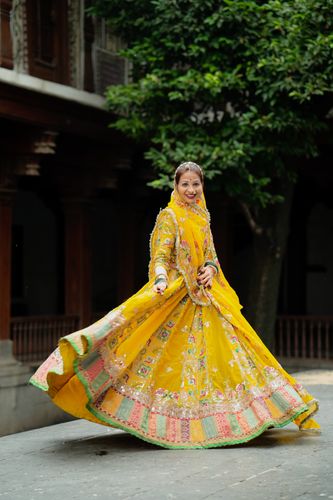
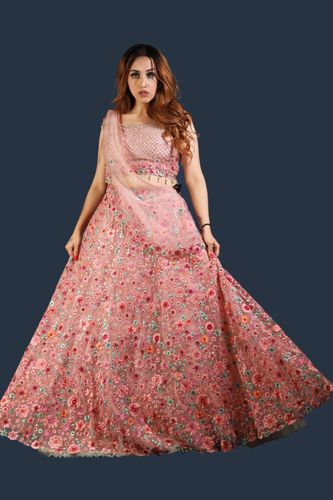
A lehenga is a three-piece ensemble consisting of a skirt (lehenga), a fitted or embroidered short top (choli), and a dupatta (scarf). It’s structured, easier to wear, and offers more coverage and structure than a saree. The lehenga skirt is typically flared or gathered, providing a dramatic silhouette.
Detailed Comparison
Occasion Suitability
Sarees are incredibly versatile and appropriate for virtually every occasion. You can wear a cotton saree for casual family gatherings, a silk saree for formal weddings, and a designer saree for red-carpet events. The variety of fabrics and draping styles allows seamless transitions across contexts.
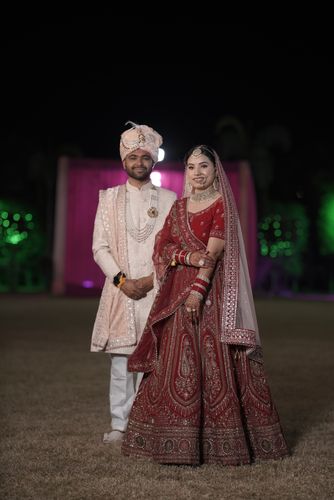
Lehengas are best suited for festive occasions, weddings, engagements, and celebrations. While some lehengas work for casual wear, they’re inherently more formal than everyday sarees. The structured nature makes them less adaptable to varying contexts.
Body Type Compatibility
| Aspect | Saree | Lehenga |
|---|---|---|
| Petite Frame | Excellent (can adjust draping) | Good (but bulk can overwhelm) |
| Curvy/Hourglass | Very Good (draping accommodates curves) | Excellent (enhances curves) |
| Apple Shape | Good (can conceal midsection) | Fair (flare may add volume) |
| Pear Shape | Excellent (skirt draping flatters) | Good (high waistline balances) |
| Tall Frame | Good (requires length, can be adjusted) | Excellent (lehengas come in lengths) |
| Plus-Size | Excellent (very flattering) | Very Good (structured support) |
Sarees offer superior customization through draping techniques. If you struggle with standard sizing, a saree adapts to your body. Lehengas rely on tailored sizing, so getting the right fit requires precise measurements or custom tailoring.
Comfort Factor
Saree Comfort: Once you master the draping, sarees are surprisingly comfortable. The loose fabric allows air circulation and movement. However, the initial learning curve can be frustrating, and the pallu (end piece) requires management during movement. Some find the weight of heavier sarees tiring, especially for long events.
Lehenga Comfort: Lehengas offer immediate comfort without a learning curve. The structured choli provides support, and the skirt moves freely. However, the weight of embroidered lehengas can be significant, and the fitted choli may feel restrictive if not tailored properly. Extended wear at celebrations can become uncomfortable if the waistband is tight.
Cost Comparison
| Price Range | Saree | Lehenga |
|---|---|---|
| Budget-Friendly | $6-$24 | $18-$48 |
| Mid-Range | $24-$100 | $48-$145 |
| Premium | $100-$300+ | $145-$420+ |
| Luxury Designer | $300+ | $420+ |
Cost varies significantly by fabric and embroidery. Silk sarees from South India and heavily embroidered lehengas command premium prices. However, you can find quality sarees at various price points more easily than lehengas, making sarees more budget-friendly overall.
Styling and Complexity
Saree Styling Complexity: Learning to drape a saree takes practice (typically 3-6 attempts for proficiency). Different draping styles exist for different regions and occasions. You’ll need to invest time in mastering the technique, and if you’re uncomfortable with draping, you might need professional help at events. However, once learned, the skill is invaluable.
Lehenga Styling Complexity: Lehengas require minimal styling knowledge—you simply wear them. The main consideration is blouse fitting and dupatta draping, both of which are straightforward. This ease makes lehengas ideal for those wanting minimal preparation hassle.
Versatility Across Occasions
| Occasion | Saree | Lehenga |
|---|---|---|
| Casual Family Gathering | Excellent | Fair |
| Formal Wedding (as Guest) | Excellent | Excellent |
| Festival Celebration | Very Good | Excellent |
| Office/Professional | Good (Cotton/Linen) | Fair |
| Engagement Party | Very Good | Excellent |
| Reception/Cocktail | Excellent | Very Good |
| Everyday Wear | Good | Poor |
| Cultural Event | Excellent | Good |
Sarees dominate in versatility. A single saree can serve multiple occasions with different styling, while lehengas are occasion-specific.
Resale Value
Both sarees and lehengas hold reasonable resale value in the secondhand market, particularly designer pieces and those made from quality fabrics like silk and organza. Premium pieces retain 40-60% of original value, while mid-range items retain 30-45%.
Saree Resale Advantage: Sarees that are well-maintained, unworn, or gently worn typically sell faster because they appeal to a broader audience. Vintage sarees and those from respected weavers command premium resale prices.
Lehenga Resale: Lehengas tailored to specific measurements are less universally appealing. However, heavily embroidered designer lehengas can fetch good prices. Custom tailoring can be a resale disadvantage unless the tailoring is reversible or widely applicable.
Durability and Longevity
Both garments can last for decades if maintained properly. Sarees, particularly silk varieties, develop a patina that many find desirable over time. Lehengas remain relatively unchanged unless the embroidery deteriorates. Quality of construction matters more than the garment type—a well-made saree or lehenga from a reputable weaver or designer will last significantly longer than mass-produced alternatives.
Storage and Maintenance
Sarees require careful storage to prevent wrinkles and preserve delicate fabrics. They take more space due to their length and must be stored rolled or carefully folded. However, they don’t require permanent tailoring, so no alterations are needed if your body changes.
Lehengas are more compact for storage but require consistent tailoring. If you lose or gain weight, the lehenga may need professional alterations, adding to long-term maintenance costs.
Making Your Decision
Choose a Saree if:
- You want maximum versatility across occasions and seasons
- You have a body type that doesn’t conform to standard sizing
- You’re attending multiple events and want to vary your look
- You prefer a more subtle, elegant aesthetic
- You’re willing to invest time in learning the draping technique
- You want better long-term resale potential
- You plan to wear it multiple times in different contexts
Choose a Lehenga if:
- You’re attending a major celebration or wedding as a guest
- You want a dramatic, statement-making look
- You prefer not to learn complex draping techniques
- You want to emphasize your silhouette with structure
- You’re looking for an outfit that photographs beautifully
- You have a well-defined body type that fits standard sizing
- You’re willing to invest in tailoring for perfect fit
Conclusion
Neither saree nor lehenga is objectively superior—each serves different purposes and suits different preferences. Sarees excel in versatility, comfort, and adaptability, making them ideal for those seeking investment pieces that transcend single occasions. Lehengas triumph in immediate wearability, dramatic visual impact, and ease of styling, making them perfect for major celebrations.
The ideal approach is having both in your wardrobe. Start with a quality saree in a neutral color that you can wear repeatedly as you build confidence with draping. Once comfortable, invest in a lehenga for the next major celebration. This combination covers most occasions while allowing you to develop your personal style.
Find Your Perfect Piece
Whether you’re drawn to the elegant versatility of a saree or the dramatic elegance of a lehenga, platforms like PurvX offer carefully curated selections of both options. Browse verified sellers, compare prices, and make your choice with confidence. Discover your ideal South Asian outfit today.